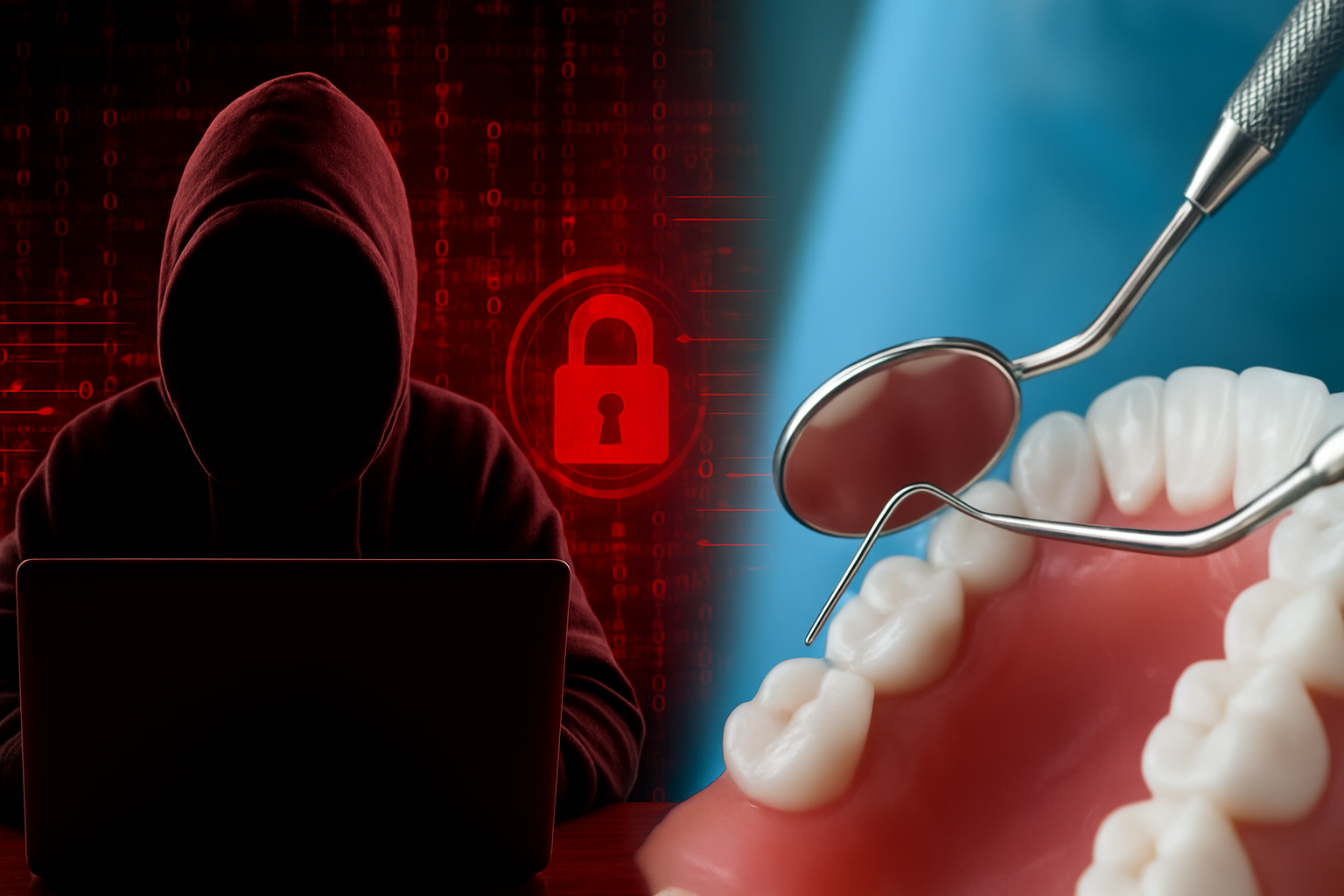
Why Dental Practices Are Hacker Target #1 in 2025–2026

Why Dental Practices Are Hacker Target #1 in 2025–2026
Dental Cybersecurity

Why Dental Practices Are Hacker Target #1 in 2025–2026

Cybercriminals aren’t just going after hospitals and big health systems. Here’s why dental practices are becoming one of their top targets, and what to do about it.

4 MIN READ CYBERSECURITY HIPAA
TL;DR

Dental practices hold the data hackers want (personal identifiers, insurance information, health histories, and payment details) but often lack the IT resources of larger healthcare providers. The five biggest trends: rising ransomware, more sophisticated phishing, real HIPAA fines, small practices seen as “easy wins,” and added complexity for DSOs. Most of these risks can be managed with the right dental-specific IT strategy.

If you run a dental practice, you might assume that cybercriminals are more interested in hospitals, big health systems, or major corporations. The truth is quite the opposite. In 2025–2026, dental practices are fast becoming one of the top targets for hackers, and the risks are growing every day.

Why? Dental offices hold exactly the kind of data cybercriminals want: personal identifiers, insurance information, health histories, and payment details. At the same time, many practices don’t have the same level of IT infrastructure or resources as larger healthcare providers. That combination makes dental practices a prime target.

Here are some of the biggest trends every dentist should be aware of right now.

01
Ransomware

Locked data and downtime that can last days or weeks.

02
Phishing

Fake invoices, login alerts, and team emails.

03
HIPAA fines

Steep penalties, even for small offices.

04
“Easy wins”

Small practices without full-time IT staff.

05
DSO complexity

More logins, networks, and entry points.

01Ransomware Is Rising

Direct answer Ransomware attacks are hitting healthcare providers at record levels. Hackers lock down your data and demand payment for access, and even a few hours of downtime means lost patients, lost revenue, and reputational damage.

Ransomware attacks are hitting healthcare providers at record levels, and dental practices are not being spared. Hackers lock down your data and demand payment for access — creating downtime that can last days or weeks. For a busy dental office, even a few hours of downtime means lost patients, lost revenue, and lasting reputational damage.

02Phishing Gets More Sophisticated

Direct answer Phishing emails now look like supplier invoices, login alerts from trusted software, or messages from other team members. Busy dental staff are especially vulnerable, and one wrong click can expose the entire network.

Gone are the days of obvious scam emails. Today’s phishing attempts look like invoices from suppliers, login alerts from trusted software, or even emails from other team members. Dental practices, with busy staff handling a high volume of communications, are especially vulnerable. One wrong click can expose the entire network.

03HIPAA Fines Are Real

Direct answer Every healthcare data breach brings regulatory consequences. Even a small or mid-size dental office can face steep HIPAA fines, and breaches often start with something small like an unencrypted laptop, an outdated router, or a shared password.

Every data breach in healthcare brings regulatory consequences. Even if you’re a small or mid-size dental office, a HIPAA violation can result in steep fines. Worse, it can destroy the trust your patients place in you. Many breaches that start with something small — an unencrypted laptop, an outdated router, or a shared password — end up leading to massive compliance headaches.

04Small Practices Are Seen as “Easy Wins”

Direct answer Hackers know small to mid-size practices often lack full-time IT staff and robust cybersecurity. Outdated systems, consumer-grade routers, or unsecured Wi-Fi can leave a practice more vulnerable than it realizes.

Hackers know that small to mid-size practices often don’t have full-time IT staff or robust cybersecurity measures in place. That makes them attractive targets. If your practice is running on outdated systems, consumer-grade routers, or unsecured Wi-Fi, you could be more vulnerable than you realize.

05DSOs Face Higher Complexity

Direct answer For multi-office organizations, different logins, separate networks, and siloed systems create more entry points for attackers. Without a unified IT strategy, DSOs can quickly become hacker goldmines.

For multi-office organizations, the risks multiply. Different logins, separate networks, and siloed systems create more entry points for attackers. Without a unified IT strategy, DSOs can quickly become hacker goldmines.

06How to Protect Your Practice

Direct answer Most of these risks can be managed with the right dental-specific IT strategy: strong passwords and two-factor authentication, staff phishing training, encryption of patient data, up-to-date systems, and regular secure backups.

The good news is that most of these risks can be managed with the right dental-specific IT strategy. At Darkhorse Tech, we’ve helped more than 1,500 practices across the U.S. lock down their systems, train their staff, and keep downtime to a minimum. Our approach blends cybersecurity, compliance, and dental IT expertise — so you’re not just checking a box, you’re protecting your business and your patients.

Some key steps to get started include:

  • Enforcing strong passwords and two-factor authentication
  • Training your staff to recognize phishing and scams
  • Encrypting patient data in transit and at rest
  • Keeping all systems and software up to date
  • Regularly backing up data to secure offsite or cloud locations

Don’t wait until it’s too late

Hackers aren’t slowing down in 2025–2026 — they’re accelerating. Dental practices that act now will not only avoid costly downtime and HIPAA fines, but also build trust with their patients by showing that security is a top priority.

Get a free IT Health Check

Need help figuring out where your practice stands? Darkhorse Tech offers a free IT Health Check to identify vulnerabilities and give you a clear plan forward. Contact us today at sales@darkhorsetech.com or call (800) 868-4504 to get started.

Frequently asked questions

Why are dental practices a top target for hackers?
Dental offices hold exactly the kind of data cybercriminals want: personal identifiers, insurance information, health histories, and payment details. At the same time, many practices don’t have the same level of IT infrastructure or resources as larger healthcare providers.
How does ransomware affect a dental practice?
Hackers lock down your data and demand payment for access, creating downtime that can last days or weeks. For a busy dental office, even a few hours of downtime means lost patients, lost revenue, and lasting reputational damage.
What do phishing emails aimed at dental offices look like today?
Today’s phishing attempts look like invoices from suppliers, login alerts from trusted software, or even emails from other team members. Busy dental staff handle a high volume of communications, and one wrong click can expose the entire network.
Can a small dental practice be fined for a HIPAA breach?
Yes. Even a small or mid-size dental office can face steep fines for a HIPAA violation. Many breaches start with something small, such as an unencrypted laptop, an outdated router, or a shared password.
How can a dental practice protect itself from cyberattacks?
Enforce strong passwords and two-factor authentication, train staff to recognize phishing and scams, encrypt patient data in transit and at rest, keep all systems and software up to date, and regularly back up data to secure offsite or cloud locations.

Darkhorse Tech is here for you.

Your dental technology should support your practice, not slow it down. Darkhorse Tech helps dental offices stay secure, connected, and productive with IT support built specifically for dentistry.

Schedule a Consultation Today

Back to Education

Looking to get dental IT support for the first time?

You’re in the right place.

Don’t hesitate to drop us a line, we look forward to connecting with you soon.

Thank you! Your submission has been received!
Oops! Something went wrong while submitting the form.

Want To Chat?

You can schedule an intro meeting online! Find a time on our calendar that works for you.

schedule today!